
Food allergies and phone orders: getting it right every time
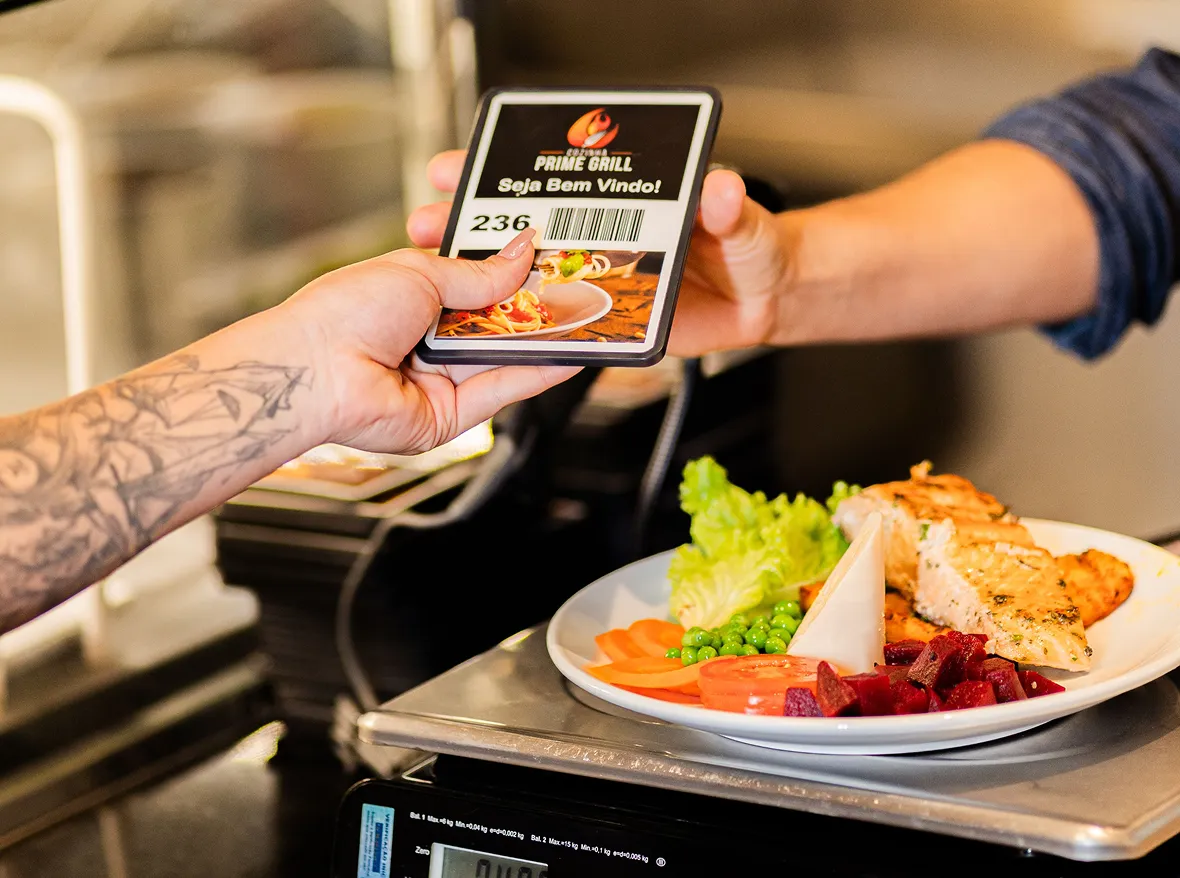
To get food allergies right on restaurant phone orders, the caller needs your allergen information before they confirm the order, and the allergy has to travel in plain words from the phone to the kitchen ticket. A caller can't see your allergen chart or your kitchen, so everything rests on the menu they ordered from and the person who picks up.
The stakes are real: approximately 33 million people in the United States have at least one food allergy, according to an estimate from FARE based on studies published in 2018 and 2019 [3]. Below: what federal rules and the FDA Food Code actually say, the nine major allergens, and six habits that make sure the allergy question gets asked, written down and passed on during every call. This is not legal advice.
What are restaurants required to tell customers about allergens?
Start with the federal baseline. The FDA recognizes nine major food allergens: milk, eggs, fish, Crustacean shellfish, tree nuts, peanuts, wheat, soybeans and sesame [1]. Packaged foods must declare them under federal labeling law (FALCPA). But those labeling requirements "do not apply to foods that are placed in a wrapper or container (such as paper or a box for a sandwich) following a customer's order at the point of purchase" [1]. Food you make and box to order generally falls outside federal labeling, so the information has to come from you.
Restaurant rules come from the FDA Food Code, a model that states, counties and cities adopt on their own schedule. Where the 2022 edition applies, "unpackaged foods served or sold to consumers within a retail food establishment must have written notification to consumers of the presence of major food allergens as an ingredient" [2]. That notice can be physical or electronic: "brochures, deli case or menu notifications, label statements, table tents, placards, or other effective written means" [2]. Employee food safety training must also cover food allergy awareness of the nine major allergens [2].
One caveat from the FDA itself: "The model Food Code is neither federal law nor federal regulation" [2]. Ask your state or local health department which edition it enforces and whether it adds allergen rules of its own.
Do allergen rules apply to phone and takeout orders?
The Food Code language covers unpackaged food "served or sold" to consumers, which would include takeout, but it doesn't describe a phone procedure [2]. A caller can't see a table tent. The practical answer is to put the written notice where phone customers actually look (your website, your online menu, your printed takeout menu) and to make sure whoever answers can give the information before the order is confirmed.
European law makes the timing explicit, and it's a useful benchmark. Under EU Regulation No 1169/2011, a "means of distance communication" is any means used to conclude a contract "without the simultaneous physical presence of the supplier and the consumer", which describes a phone order. For food sold that way, mandatory information, allergens included, "shall be available before the purchase is concluded" [5]. In other words, the allergy conversation belongs before the order is locked in, not at pickup.
Why restaurants in particular: a CDC report notes that "nearly half of reported fatal food allergy reactions over a 13-year period were caused by food from a restaurant or other food service establishment" [4].
What are the 9 major food allergens?
The list grew from eight to nine when the FASTER Act, signed on April 23, 2021, declared sesame the ninth major food allergen; the change took effect on January 1, 2023 [1]. Here's where each one can turn up on a pizza, burger or takeout menu. These are examples to check against your own recipes, not a complete list:
| Major allergen | Examples to check in your recipes |
|---|---|
| Milk | Mozzarella and other cheeses, butter, cream sauces |
| Eggs | Mayonnaise, aioli, some batters and baked goods |
| Fish | Anchovies, Caesar dressing, fish sauce |
| Crustacean shellfish | Shrimp, crab, lobster |
| Tree nuts | Almond flour, hazelnut spreads, pistachio desserts |
| Peanuts | Satay and other peanut sauces, some desserts |
| Wheat | Pizza dough, buns, breading, many soy sauces |
| Soybeans | Soy sauce, tofu, some marinades |
| Sesame | Sesame seed buns, tahini, hummus |
Don't stop at nine. The FDA notes that "more than 160 foods have been identified to cause food allergies in sensitive individuals" [1]. So ask "Does anyone have a food allergy?" rather than reading out a list, and take any allergy the caller mentions seriously.
How do you take a takeout order from a customer with a food allergy?
The gap is real. In a CDC study of 278 restaurants across six sites, only 55.2% of managers said their restaurant had ingredient lists or recipes for all or most menu items, and 44.4% of managers reported food allergy training; the interviews ran from January 2014 to February 2015 [4]. Six habits close that gap on the phone:
- One allergen sheet per dish, kept current. In writing, next to the phone, updated every time a recipe or a supplier changes. The sheet answers, not someone's memory.
- Ask every caller. Before confirming: "Does anyone in this order have a food allergy?" Every call, not only when the customer brings it up.
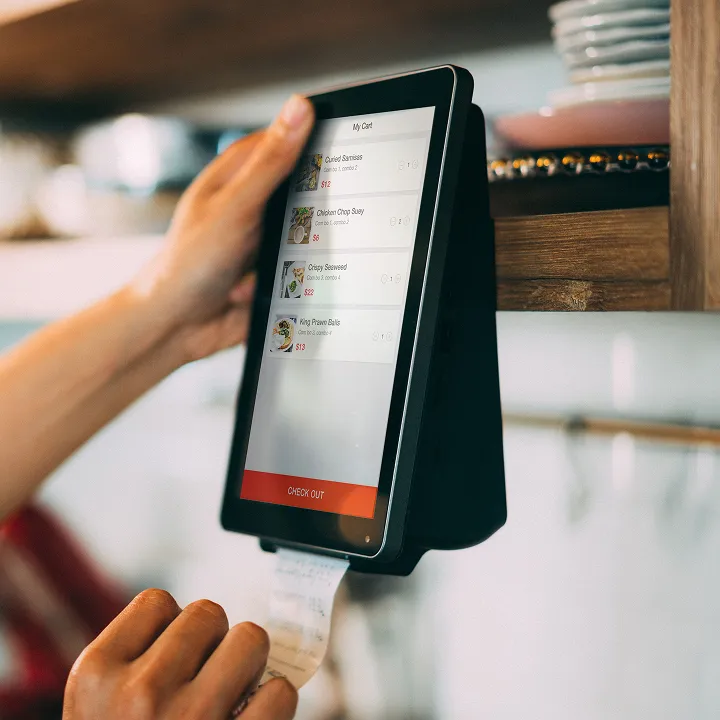
- Write it in plain words on the kitchen ticket. "ALLERGY: PEANUT" at the top of the ticket, not a code that only the person who took the call understands.
- Read the order back. Include the allergy: "One margherita, no cheese, for someone with a milk allergy, is that right?"
- Say "I don't know, let me check." If the sheet doesn't answer the question, don't guess. Ask the kitchen or call the customer back. A confident wrong answer is the worst outcome.
- Send the information with the food. Repeat the allergy on the bag or the customer receipt, and include the dish's allergen information when you can.
The hard part isn't knowing these habits, it's keeping them during the dinner rush, when the phone rings while tickets pile up. That's also when calls go unanswered (see what missed calls cost a restaurant).
Can you promise a dish is allergen-free?
Leaving out an ingredient doesn't make a dish free of that allergen. Shared fryer oil, cutting boards, scoops and gloves can carry traces from one dish to another. In the same CDC study, only 19.1% of managers said their restaurant had a dedicated set of utensils or equipment for making allergen-free food [4].
On the phone, the right answer is the honest one: "There's no wheat in the fries, but they're cooked in the same oil as our breaded items, so I can't guarantee there are no traces." The customer knows how severe their allergy is; let them decide. Avoid promises your kitchen can't keep, like "zero risk" or "completely safe".
The same discipline applies to whoever answers the phone: a new hire, a weekend fill-in or an AI voice agent. A voice agent should ask the allergy question, put the allergy in plain words on the ticket and, when the information is missing, hand the call to your team instead of improvising. On what an AI agent should disclose at the start of a call, see our article on AI voice agent transparency.
Sources
- U.S. Food and Drug Administration (FDA), “Food Allergies”, March 11, 2026. fda.gov
- U.S. Food and Drug Administration (FDA), “Addition to the 2022 Food Code: Sesame Added as a Major Food Allergen”, December 10, 2024. fda.gov
- Food Allergy Research & Education (FARE), “Facts and Statistics”, accessed October 1, 2026. foodallergy.org
- Centers for Disease Control and Prevention (CDC), MMWR, “Restaurant Food Allergy Practices: Six Selected Sites, United States, 2014”, April 21, 2017. cdc.gov
- EUR-Lex (European Union), “Regulation (EU) No 1169/2011 on the provision of food information to consumers”, October 25, 2011. eur-lex.europa.eu
Sources checked on October 1, 2026.
Common Questions
Milk, eggs, fish, Crustacean shellfish, tree nuts, peanuts, wheat, soybeans and sesame. Sesame became the ninth major food allergen in the United States on January 1, 2023, under the FASTER Act. The FDA notes that more than 160 foods have been identified as causing food allergies, so restaurants should ask callers about any food allergy, not only these nine.
Federal labeling law (FALCPA) does not apply to food placed in a wrapper or container following a customer's order at the point of purchase. For restaurants, allergen duties come from the FDA Food Code as adopted by your state or local jurisdiction; the 2022 edition requires written notification of major allergens in unpackaged food. Check with your local health department. This is not legal advice.
"I don't know, let me check." Then look at the dish's allergen sheet, ask the kitchen, and call the customer back if needed. A confident wrong answer is the most dangerous outcome. If you can't rule out cross-contact from a shared fryer or surface, say so plainly and let the customer decide.
Only if the kitchen can truly guarantee it. Leaving out an ingredient doesn't remove traces from shared fryer oil, boards or utensils. Tell the customer what is in the recipe, how the dish is prepared and what you can't rule out. People with severe allergies need accurate information more than reassurance.
In plain words at the top of the kitchen ticket, such as "ALLERGY: PEANUT", rather than a code only the order-taker understands. Read the order back to the customer with the allergy included, then repeat it on the bag or receipt so the information reaches the person who will eat the food.
Keep reading


Never Miss Another Restaurant Call
Stay updated with the latest Soleir features restaurant AI insights to your inbox.